Conversation about men’s mental health is slowly but surely becoming more prevalent in current times. Suicide is the single biggest killer of men under 45 in the UK and with an average of over 5000 male deaths per year down to suicide, it’s about time we got talking about the stigma surrounding men’s mental health.
Since March alone we have lost two men from the world of the rich and famous to suicide. Keith Flint, founding member of The Prodigy, took his own life last month after battling with depression for years. The singer, aged 49, was found hanging at his home in Essex.
Less than two weeks later, 26 year old Love Island star, Mike Thalassitis, was found dead in the woods near his home, the death was also confirmed as suicide by hanging.
Like it or not, high profile cases such as these open up public discussion on issues such as men’s mental health and suicide.
Although conversation surrounding mental health is slowly creeping into society, there’s still a huge amount of stigma attached to men opening up on an emotional level.
31 year old Dan Rowe, who runs the Manchester branch of ‘Andy’s Man Club’, a suicide support group, says he thinks men need the right environment to be able to open up and talk.
Video rights: Bryony Wilshaw
Andy’s man club was set up in 2016 by Luke Ambler, after his brother in law Andy, committed suicide. It’s a safe space for men to come and talk openly about their mental health with like minded people. The groups founder, Ambler, aims to halve the male suicide rate by giving men the group support Andy didn’t have.
Manchester facilitator, Dan Rowe, attended the groups before taking on the volunteer role. He acknowledges that it is hard for men to open up about their mental health due to social stigmas, but says that giving men a safe and encouraging place to talk helps.
“When I first went to Andys man club I was determined I wasn’t going to talk, I felt so uncomfortable in myself that I was just going to sit there and listen and then within ten minutes of being there they couldn’t shut me up!”
“It was 35 years of built up pressure that just came out of my mouth all at once. So we find that by providing people with the right environment to talk there isn’t an issue with opening up. There obviously is stigma that men don’t talk but if you came to an Andys man club then you would find that men do talk and are pretty good at it to be honest with you.”
For those who don’t feel ready to attend a support group there’s Yorkshire Grit, a podcast and platform that celebrates men’s mental health, set up by former cyclist, Thomas Bustard.
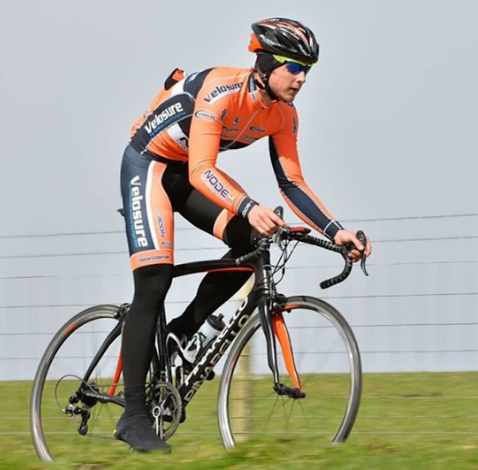
Photo credit: Thomas Bustard
Bustard, 30, set up Yorkshire Grit after he stopped cycling and familiar feelings of depression came creeping back into his life.
“When I stopped cycling I felt like I lacked meaning and purpose. On Christmas day of 2018 everything just exploded and I thought, I can’t carry on like this. That’s how Yorkshire Grit was born.”
Yorkshire Grit has featured a number of celebrated guests, from Triathlon champion Jonny Brownlee, to contemporary artist Grayson Perry. What they have in common is a desire to stamp out the stigma surrounding men’s mental health and highlight the issues of ‘masculine norms’ and how they can be detrimental to society.
“I think the problem is ‘toxic masculinity’, men have been told to act a certain way for hundreds of years. It’s about time men opened up about their so called weaknesses and see them as a good thing, something to be proud of”, says Bustard.
Toxic masculinity plays harmful role in men’s mental health and contributes to the fact that men are less willing to open up about their feelings.
A new meta-analysis published in the Journal of Counseling Psychology, confirms the link between ‘toxic masculinity’ and mental health. The study showed that those who complied with the traditional concepts of masculine norms, were more likely to suffer from mental health disorders.
It can be argued that the staggering numbers of male suicide can be linked to society’s stigmatisation around men’s mental health. Outdated stereotypes and gender expectations need to be re-evaluated in the current age. Talking about men’s mental health can save lives, let’s just hope society becomes less judgmental and more emotionally open to it.
 Talking mental health