Mental ill-health is a problem in the music industry that needs tackling

Mental ill-health is no foreign concept in the music industry, nor is suicide. In March, The Prodigy’s front man, Keith Flint, was found hanging at his home in Surrey aged 49 years old.

Behind the blazen and bolshy bravado was a man who battled with depression for years, it would eventually end his life.

Like Flint, so many others in the music industry have committed suicide due to mental ill-health: Ian Curtis, Kurt Cobain, Chris Cornell and Chester Bennington, just to name a few.

A recent survey conducted by Skiddle, showed that 80% of music industry professionals suffer with stress, anxiety and depression and 1 in 10 say they have developed OCD (obsessive compulsive disorder) as a direct result of their work in music.

So what are the factors that link the music industry to poor mental health?

There are a number of circumstances that can exacerbate mental ill-health when it comes to working in the music sector : anti-social working hours, financial instability, industry competitiveness and the highs and lows of performing for musicians.

Manchester based DJ and producer, Ben Pearce, became an overnight success in the electronic music scene. His track ‘What I might do’ climbed into the UK’s top 10 chart in 2013 and saw him go from working in a call center to selling out shows and touring the world.

Not so long after his new found fame and success, Bens mental health started to deteriorate.

“My mental health started to have a negative effect on my life, the late nights and isolation when I was travelling didn’t help at all. Id go from playing a club with thousands of people and then go back to an empty, silent hotel room. It all got too much and I felt trapped.”

In 2016 on a public post to his Facebook fans, Ben announced he was going to take a hiatus from music to focus on his mental health.

Ben Pearce Facebook page

Liam Deakin, lead guitarist of Birmingham based indie band ‘The Clause’ has struggled with his mental health from a young age.

The band have achieved a lot in their short time together, from selling out shows and tours to hundreds of thousands of streams on music content platforms but behind the success Liam was struggling with mental ill-health.
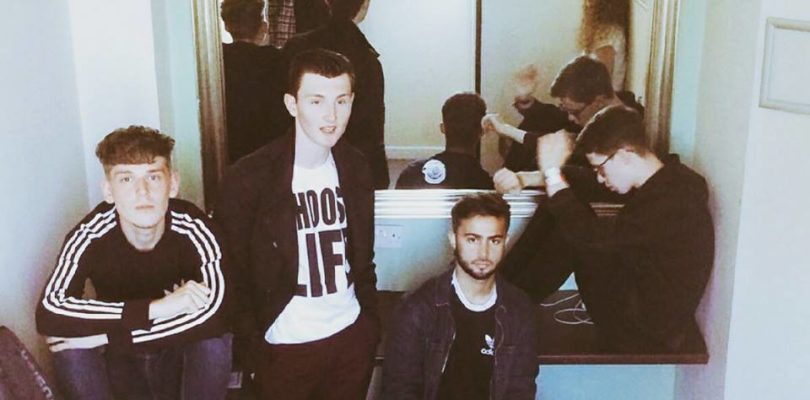
The Clause

“I don’t think people realise from the outside view how hard it is to keep mentally well in the music industry.”

“Sometimes, when my mind’s not in the right place, I can’t wait for a gig to be over. During one of our after parties with family and friends I couldn’t deal with everything that was going on and had to leave.”

Liam says being in a band is definitely romanticised.

“People think it’s playing to hundreds of people every night, drinking and partying and getting loads of attention. But what they don’t realise is that it’s not always like that, it’s playing your first gig to 4 people and feeling like a let down, going through the same music over and over until you get it right, to the point that it drives you crazy. The most scariest of all is constantly wondering why you aren’t where you are.”

Like Ben and Liam, many artists and industry professionals struggle with their work-life balance and mental health.

Help Musicians UK, is a charity that supports musicians, whether they are just starting out, right into retirement. Music Minds Matter, a service set up by the charity, provides support for those who are suffering with mental ill-health. They offer free counselling and CBT over the phone or online, from qualified counsellors.

The Music Managers Forum (MMF) produced a guide on mental health which talks about all sorts of mental health related issues experienced in the music industry. It covers anxiety and depression, alcohol and drug addiction, the feeling of imposter syndrome and work balance and boundaries.

Their belief is that anybody in the music industry who reaches out for help, should get it – quickly, from appropriately trained people with experience within music industry.

Whilst it seems as though the music industry is beginning to recognise their need to open up about the effects of work related mental health, there is also the issue of glamorizing and monetizing mental health and suicide.   

It’s no secret that the music industry, along with most other creative industries have used mental health conditions as a market driver. Back in 2017, grime artist Stormzy publicly condemned NME, saying they used him as a ‘poster boy’ for depression to make money. The publication used a picture of  Stormzy on their front cover with the coverline ‘Depression: it’s time to talk’.

Whilst it appeared to readers NME had interviewed the grime artist, it turned out they pulled his words from a channel 4 interview without permission.

However, Manchester Creative Collective director, Wendy Smith, says the problem lies within the wider media.

“I don’t feel believe the music industry glamorises the mental health issues”.

“I think that the wider media has a huge role to play in how it portrays those with mental health issues. There needs to be a switch in how we view and report on those in the public eye, full stop. Every element of our life is up for scrutiny now. How we dress, look, think. The media is so intrusive and lacks compassion.”

The Manchester creative collective is a non profit industry networking community, which holds events each month with the intention of offering a space for emerging and established music industry professionals to come together.

Wendy says it’s up to people as individuals to harbour responsibility to not only care for themselves more proactively, but also adopt more compassion for those around.

It’s clear to see the music industry is taking steps to becoming a more mentally healthy environment for it’s workers , however it needs to become consistent across all of its sectors.

Whether you’re a performing artist, an A&R director, tour manager or a booking agent, constant support should be there when needed. The world seems to be taking mental health more seriously, let’s hope the music industry can become a thriving and healthy sector to work in for all involved.

Stamping out the stigma: men’s mental health

Conversation about men’s mental health is slowly but surely becoming more prevalent in current times. Suicide is the single biggest killer of men under 45 in the UK and with an average of over 5000 male deaths per year down to suicide, it’s about time we got talking about the stigma surrounding men’s mental health.

Since March alone we have lost two men from the world of the rich and famous to suicide. Keith Flint, founding member of The Prodigy, took his own life last month after battling with depression for years. The singer, aged 49, was found hanging at his home in Essex.

Less than two weeks later, 26 year old Love Island star, Mike Thalassitis, was found dead in the woods near his home, the death was also confirmed as suicide by hanging.

Like it or not, high profile cases such as these open up public discussion on issues such as men’s mental health and suicide.

Although conversation surrounding mental health is slowly creeping into society, there’s still a huge amount of stigma attached to men opening up on an emotional level.

31 year old Dan Rowe, who runs the Manchester branch of ‘Andy’s Man Club’, a suicide support group, says he thinks men need the right environment to be able to open up and talk.

Full interview with Dan Rowe
Video rights: Bryony Wilshaw

Andy’s man club was set up in 2016 by Luke Ambler, after his brother in law Andy, committed suicide. It’s a safe space for men to come and talk openly about their mental health with like minded people. The groups founder, Ambler, aims to halve the male suicide rate by giving men the group support Andy didn’t have.

Manchester facilitator, Dan Rowe, attended the groups before taking on the volunteer role. He acknowledges that it is hard for men to open up about their mental health due to social stigmas, but says that giving men a safe and encouraging place to talk helps.

“When I first went to Andys man club I was determined I wasn’t going to talk, I felt so uncomfortable in myself that I was just going to sit there and listen and then within ten minutes of being there they couldn’t shut me up!”

“It was 35 years of built up pressure that just came out of my mouth all at once. So we find that by providing people with the right environment to talk there isn’t an issue with opening up. There obviously is stigma that men don’t talk but if you came to an Andys man club then you would find that men do talk and are pretty good at it to be honest with you.”

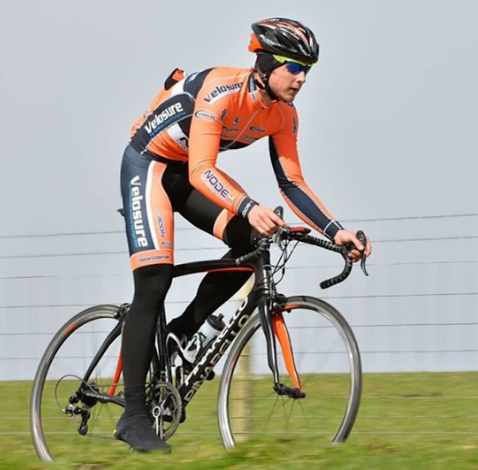
For those who don’t feel ready to attend a support group there’s Yorkshire Grit, a podcast and platform that celebrates men’s mental health, set up by former cyclist, Thomas Bustard.

Thomas Bustard
Photo credit: Thomas Bustard

Bustard, 30, set up Yorkshire Grit after he stopped cycling and familiar feelings of depression came creeping back into his life.

“When I stopped cycling I felt like I lacked meaning and purpose. On Christmas day of 2018 everything just exploded and I thought, I can’t carry on like this. That’s how Yorkshire Grit was born.”

Yorkshire Grit has featured a number of celebrated guests, from Triathlon champion Jonny Brownlee, to contemporary artist Grayson Perry. What they have in common is a desire to stamp out the stigma surrounding men’s mental health and highlight the issues of ‘masculine norms’ and how they can be detrimental to society.

“I think the problem is ‘toxic masculinity’, men have been told to act a certain way for hundreds of years. It’s about time men opened up about their so called weaknesses and see them as a good thing, something to be proud of”, says Bustard.

Toxic masculinity plays harmful role in men’s mental health and contributes to the fact that men are less willing to open up about their feelings.  

A new meta-analysis published in the Journal of Counseling Psychology, confirms the link between ‘toxic masculinity’ and mental health. The study showed that those who complied with the traditional concepts of masculine norms, were more likely to suffer from mental health disorders.

It can be argued that the staggering numbers of male suicide can be linked to society’s stigmatisation around men’s mental health. Outdated stereotypes and gender expectations need to be re-evaluated in the current age. Talking about men’s mental health can save lives, let’s just hope society becomes less judgmental and more emotionally open to it.

Children’s mental health: a postcode lottery

canva-person,-homeless,-bullied,-hiding,-alone,-sadness,-male-MACVi-EBBQAChildren who suffer from low level mental health disorders are facing a postcode lottery when it comes to accessing help and getting treatment, research shows.
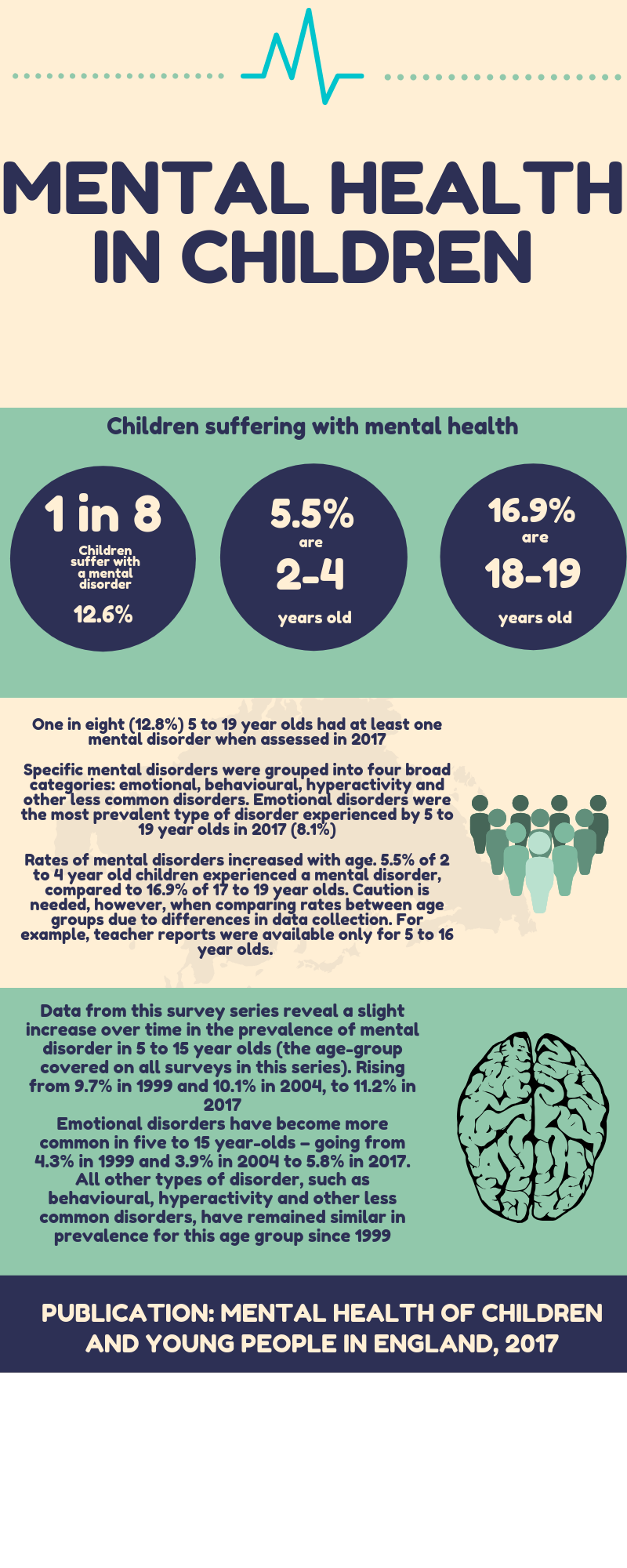
A recent report from the Children’s Commissioner has found that over a third of areas across England have seen a decrease in spending on low level mental health services. These services are prevention and early intervention for treating issues such as anxiety, depression and eating disorders by using school nurses, counsellors and drop in centres.

Whilst the report shows a fall in spending on these services, mental illness amongst children is actually on the rise in the UK, with one in eight 5 to 19 year olds struggling with a mental disorder in 2017.

The spending cuts have been described as a ‘postcode lottery’ for children suffering in areas spending less. In London the per child spend on early intervention mental health services were the highest at £17.88, whilst the East Midlands suffered with the lowest spend at just £5.32 per child.

The reduction in spending on mental health services have been described as ‘worrying’ by Child Commissioner, Anne Longfield.

“The children I speak to who are suffering from conditions like anxiety and depression aren’t asking for intensive in-patient therapeutic treatment, they just want to be able to talk to a counsellor about their worries and to be offered advice on how to stop their problems turning into a crisis.”

The impact these spending cuts will have on children could be detrimental, a recent finding from the Children’s Commissioner described a case in which a child drank a bottle of bleach after trying and failing to receive help for her mental ill-health. More cases like this are to be expected in areas where the spending has been cut.

Campaigns such as #Tellofsted are trying to promote educating children on health and wellbeing from an early age, something which could prove to be proactive in preventing a mental health crisis in an age of spending cuts.

The campaign was started by YoungMinds, a charity for children’s mental health. Whilst they recognise that some schools do excellent work on wellbeing and mental health, they say it’s up to Ofsted to ensure it is recognised in their inspections as they can have huge influences in what schools prioritise and spend their budgets on.

Tameside primary school teacher, Amy Leigh, 26, says children as young as 6 and 7 are expressing signs of anxieties and insecurities in her classroom.

“We do talk about mental health and we have well-being weeks where focus on encouraging them to talk to people if they’re unhappy or struggling.”

“We have a school counselor who comes in, but it’s a huge pressure helping them in the referral to external agencies because there is such a huge waiting list for them.”

Best selling author, Matt Haig, who writes children’s books about mental health, believes it should be added properly to the school curriculum. Speaking to the Telegraph, Haig said, “It’s just as important as road safety, I think we need to get ahead of the game on this, it’s evolving so fast and it feels like everyone’s so behind in terms of technology and health.”

When will mental health be regarded just as important as road safety? With children as young as nine suffering from suicidal thoughts I think it’s about time we started at the root.

(This article is also featured on http://www.weareassif.com/blog-1)


Infographic created by Bryony Wilshaw